More than meets the eye
Why is writing Romance so much harder than people think? It's a common misconception that romance is easy because it's formulaic. As a Regency romance author with a touch of mystery and adventure, I'm here to tell you that's simply not true! Let's delve into the nuances of crafting compelling love stories.

Challenging the "easy" label
Romance often gets dismissed as 'formulaic', as if all a writer needs to do is drop two attractive people into a room, sprinkle in some banter, and glide toward a happy ending. But anyone who has ever tried to write a romance knows the truth: the genre is one of the most technically demanding forms of storytelling. Its apparent simplicity is a mirage.
Here’s why crafting a compelling love story is far more challenging than the stereotype suggests.
The 'Formula' Is Emotional, Not Mechanical
Romance doesn’t rely on car chases or shocking plot twists. Its engine is emotion, which is notoriously difficult to write with precision. A romance author must choreograph attraction, conflict, vulnerability, trust, and transformation in a way that feels organic and deeply felt. If even one emotional beat feels false, the entire story falters.
Chemistry Can’t Be Faked
Readers know instantly when two characters spark, and when they don’t. Creating chemistry requires:
- dialogue with rhythm and subtext
- tension that builds naturally
- gestures and micro‑moments that reveal desire
- conflict that doesn’t feel manufactured
There’s no template for this. Chemistry is alchemy.
The Conflict Must Be Strong, but Not Too Strong
Romance hinges on a central obstacle that keeps the lovers apart. But here’s the catch: the conflict must be powerful enough to sustain a novel without being so overwhelming that the couple’s eventual union feels implausible. It’s a delicate balance between emotional realism and narrative hope.
Historical Romance Adds Another Layer of Difficulty
Writers of historical romance, including Regency, must navigate period-accurate constraints while still giving characters enough agency to satisfy modern readers. Too modern, and the story feels anachronistic. Too accurate, and the heroine becomes trapped by the era’s limitations. Walking that tightrope requires research, nuance, and restraint.
Romance Requires Deep Interior Work
Unlike plot‑driven genres, romance demands rich interiority. Writers must craft two complete emotional arcs that interlock like gears. Each character must confront their fears, desires, and blind spots in ways that feel authentic and earned.
The Prose Must Carry Intimacy and Clarity
Romance readers are exquisitely attuned to tone. The writing must be intimate without being overwrought, sensual without cliché, and witty without strain. Voice matters as much as plot.
The Ending Must Be Both Inevitable and Surprising
Readers know the couple will end up together. That’s the promise of the genre. The challenge is making the journey feel fresh, specific, and emotionally satisfying.
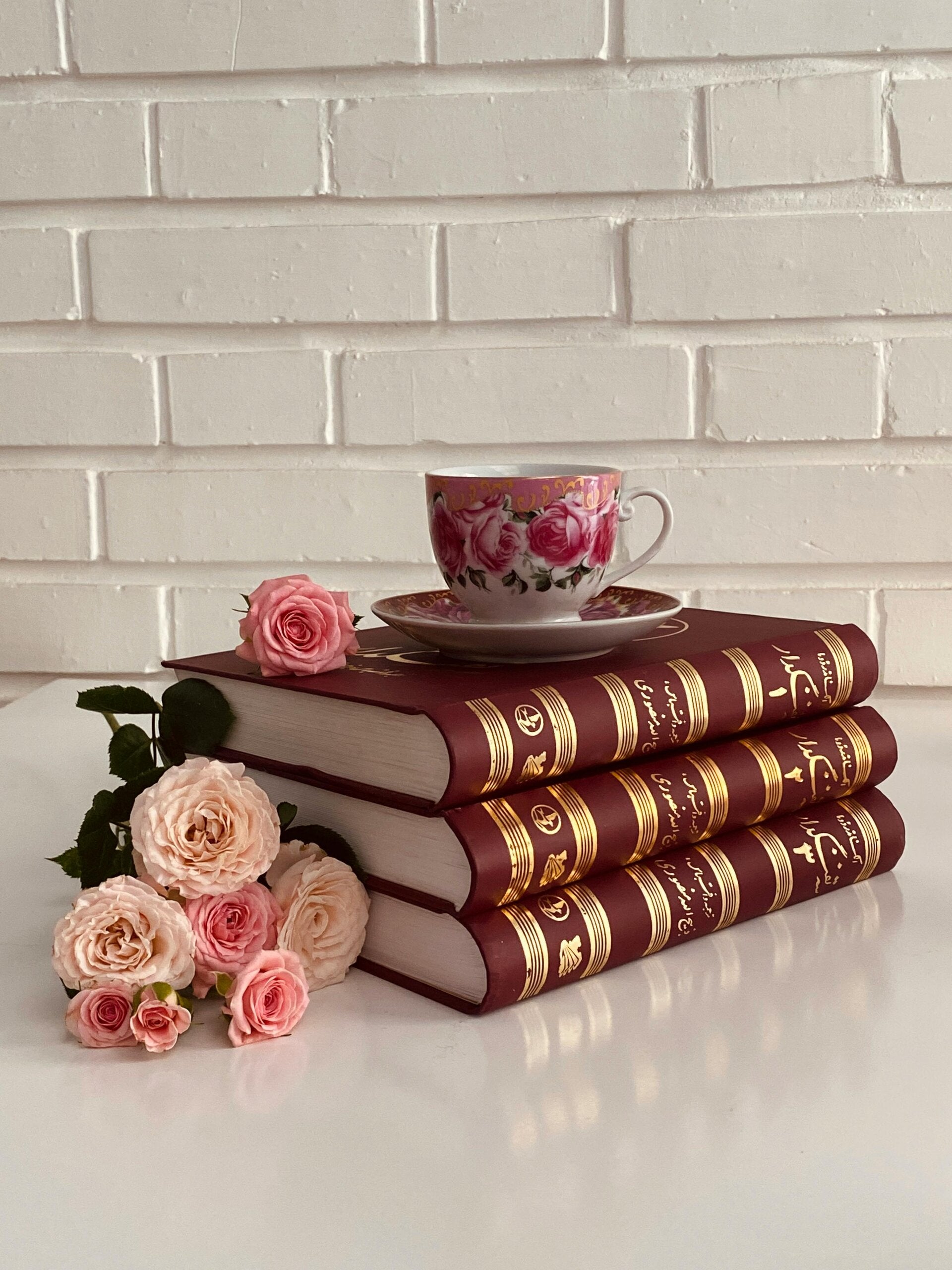
Romance looks easy because its structure is visible. But structure isn’t the story—emotion is.
HEA stands for Happily Ever After—the guaranteed, emotionally uplifting ending that defines the romance genre. It doesn’t mean perfection or fairy‑tale simplicity. It means the characters have earned a future together through growth, vulnerability, and mutual choice. Delivering an HEA that feels both inevitable and surprising is one of the hardest tasks in fiction.

Join the conversation
What are your thoughts on writing romance? Have you tried it? Do you find it challenging? What are some of your favorite romance novels and why? I encourage you to leave a comment below and share your insights! I'm always eager to connect with fellow Regency readers and aspiring writers. Let's discuss the beauty and complexity of this genre together.