Historical romance has transformed dramatically over the past century, shifting from male‑dominated, adventure‑driven narratives to stories that foreground women’s agency, diverse voices, and historically grounded emotional realism. The genre’s evolution mirrors broader cultural changes in gender roles, publishing trends, and readers’ expectations.
My collection of Romance novels goes back to 1924.
What has changed in romance novels since these books were written?
Early–Mid 20th Century: Formula, Fantasy, and the Passive Heroine
In the early 1900s, historical romance largely followed the traditions established in the 19th century: sweeping melodrama, chaste courtship, and heroines whose primary arc involved finding protection or marriage. These novels often idealized the past rather than interrogating it. Heroes tended to be dominant, worldly, and sometimes morally ambiguous, while heroines were written as virtuous, naïve, and reactive.
By the 1970s, the genre experienced a seismic shift with the rise of mass‑market paperbacks. Authors like Kathleen Woodiwiss helped popularize more sensual, emotionally intense narratives, expanding the readership and cementing historical romance as a commercial powerhouse.
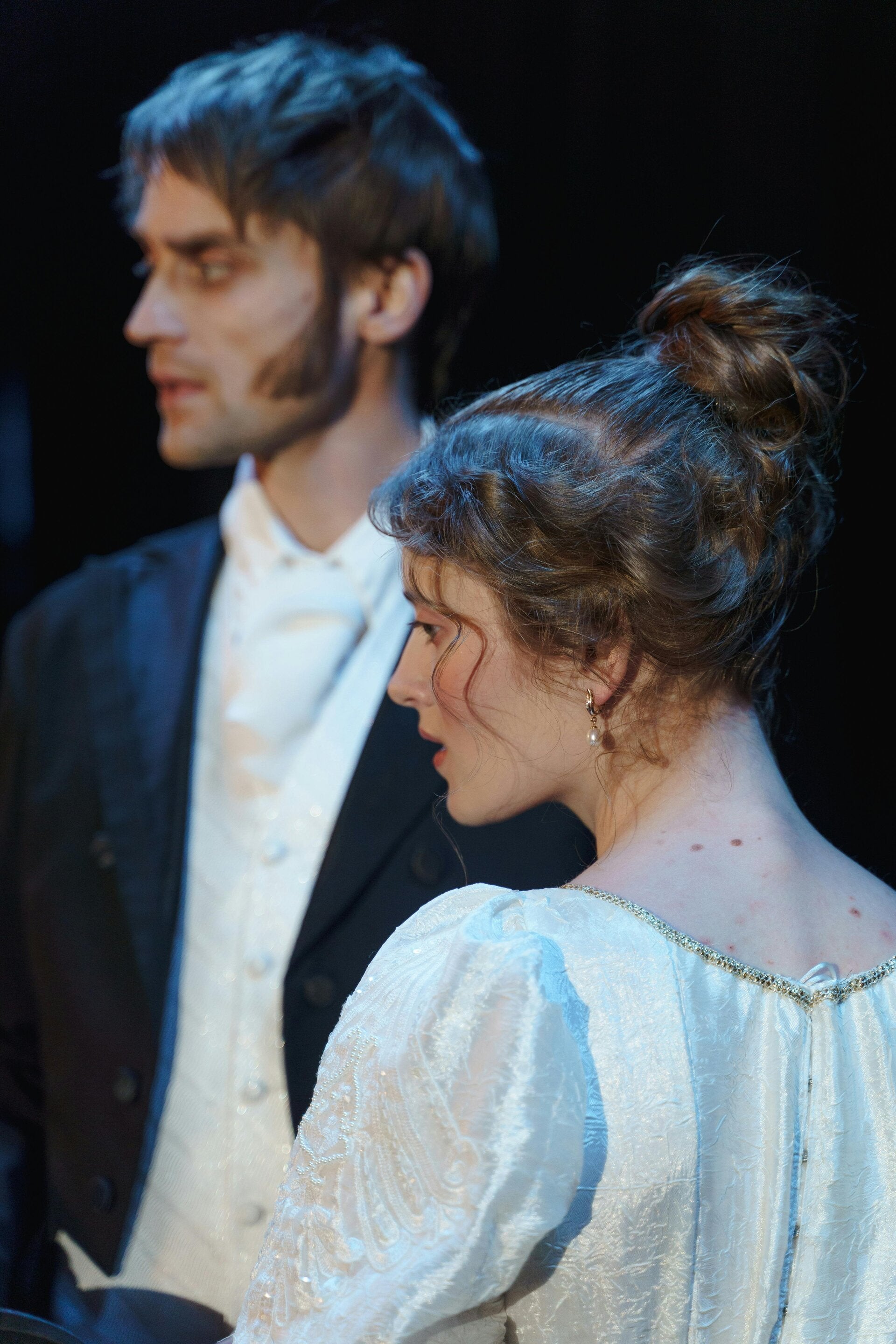
Late 20th Century: Agency, Research, and Subgenre Expansion
From the 1980s onward, heroines became more active participants in their stories. Rather than being swept along by events, they increasingly shaped them. This period also saw:
- Meticulous historical research, giving readers richer depictions of social structures, clothing, and daily life.
- Proliferation of subgenres, including Viking, Tudor, Regency, Georgian, and Victorian romances, each with distinct tropes and expectations.
- Shift in power dynamics, with relationships becoming more egalitarian and emotionally nuanced.
The genre also began to explore perspectives beyond the aristocracy, including working‑class characters and settings outside Western Europe.
21st Century: Diversity, Inclusivity, and Deeper Historical Engagement
Contemporary historical romance reflects modern values while maintaining the emotional core of the genre. Key developments include:
- Greater diversity in protagonists, including characters of varied ethnicities, sexual orientations, and social classes.
- Critical engagement with history, acknowledging the complexities of race, gender, and empire rather than romanticizing them.
- Stronger, more complex heroines, who balance historical constraints with personal ambition and emotional depth.
- Broader global settings, from the American West to the British Raj, expanding beyond traditional English aristocratic milieus.
Readers now expect authenticity, emotional intelligence, and characters who resonate with modern sensibilities while remaining grounded in their historical context.
- Why the Genre Keeps Evolving
Historical romance adapts because it reflects contemporary desires projected onto the past. As society’s understanding of love, identity, and power changes, so too do the stories we tell about history. The genre’s enduring popularity lies in its ability to blend escapism with emotional truth—offering both a window into the past and a mirror of the present.

Sources
Historical romance. (n.d.). Wikipedia. https://en.wikipedia.org/wiki/Historical_romance
Morrow, S. (2024, May 15). Historical romance: An essential genre guide. SeaCrow Books. https://seacrowbooks.com/blog/historical-romance
Wilson, T. (2025, January 3). The evolution of romance in literature. Wanderlust Canadian. https://www.wanderlustcanadian.com/post/the-evolution-of-romance-in-literature
Add comment
Comments